briidge |
What an AI Audit Actually Finds

Firms usually arrive with the answer already chosen
The call opens with a solution. A chatbot for clients. An assistant for the associates. Something to fix reporting. The idea is rarely bad. It is just rarely the thing that would move the most.
An audit exists to separate the felt problem from the real one, before anyone spends money on code.
Where the hours actually go
Every firm has work that consumes real time and appears in no system. Chasing a status update across three tools. Rebuilding analysis that already exists somewhere. Retyping the same client details between the CRM, the ledger, and the document system. Assembling a report by hand each month because the numbers live in four places.
None of it shows up on a P&L as a line item. It shows up as senior people who never get to the work they are paid for.
The fragmentation nobody has mapped
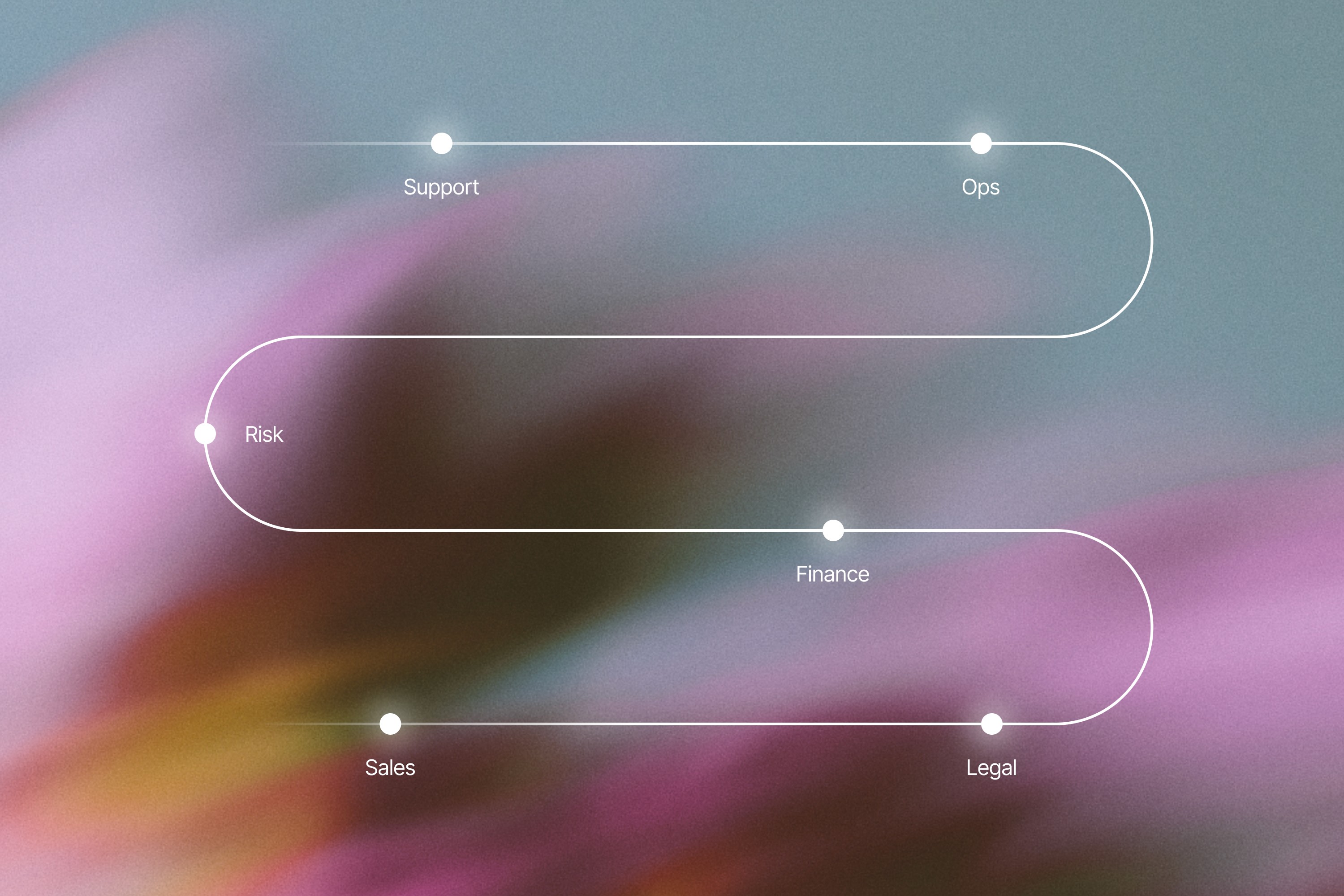
The second finding is almost always the record. Client data lives in four systems with three spellings of the same name and no agreed source of truth. This matters more than any AI decision that follows, because AI grounded in a fragmented record produces confident answers that are quietly wrong, which is worse than no answer at all.
Most of the value in the first build comes from fixing this, not from the model.
The sequencing question
Then the strategic part: which workflow first. The right first build proves value quickly and lays the foundation the next one stands on. The wrong one produces something impressive that nothing else can connect to.
This is why sequencing is a strategy question rather than a technical one, and why we will not write a proposal before the audit is done.
What you get
A map of how the firm actually operates. The places hours leak and the record fragments. A ranked view of what to build, in what order, with what each is worth. And, often, a clear recommendation not to build something the firm was about to pay for.
That last one has ended a few engagements before they started. We would rather that than ship a system nobody uses.